Bake it at home
You need scales, strong flour, a heavy lidded pot and time. Everything else is optional. This page is the short bench, what each bread actually asks for, and the real bakers worth copying.
Honest Bread exists to point you at bakers who do this properly. But there is not an honest baker on every street, and the second-best answer to a bake-off counter is your own oven. No gadget list, no twelve-week course. This is the kit scratch bakers actually start with, and nothing more.
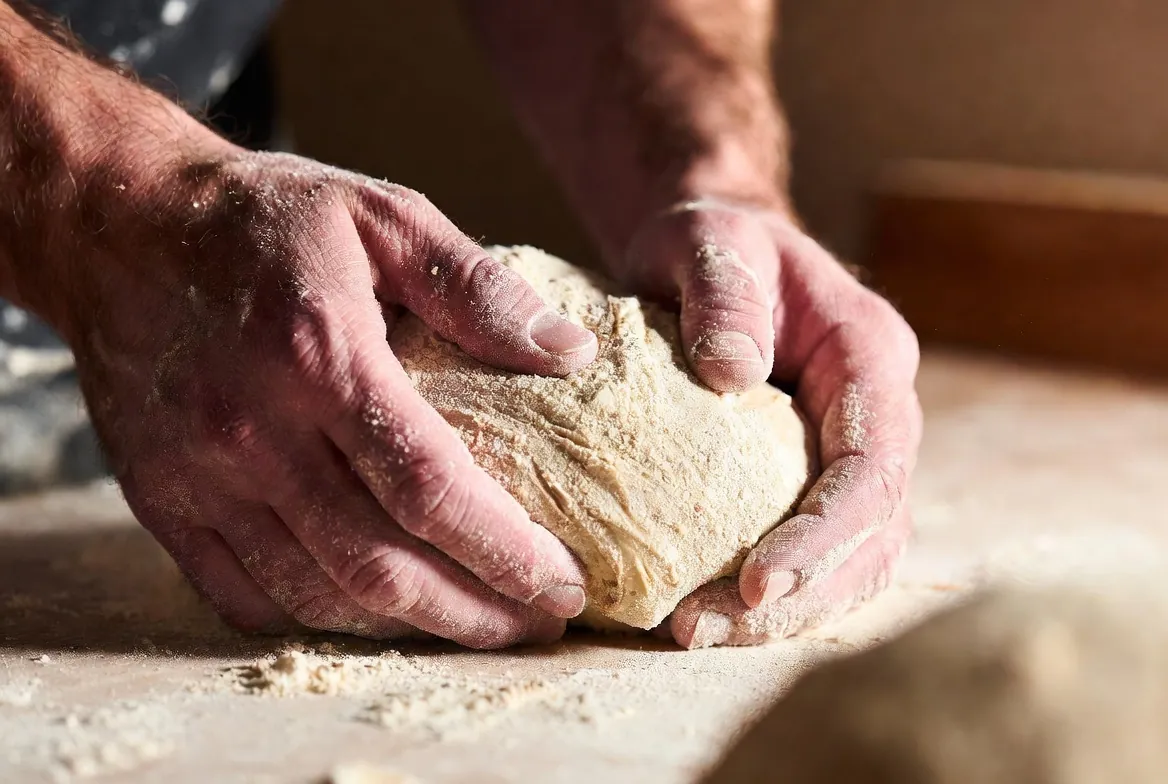
The guides
Two guides, in order. A starter takes a week of thirty-second jobs, and the first loaf takes an afternoon and an overnight prove.
Make a sourdough starter
Flour, water and one jar. What every smell and bubble means, and why day 4 is where most people wrongly give up.
Your first sourdough loaf
Five ingredients, four folds, one hot pot. A plain method that makes real bread, and the honest checks that prove it.
The bench
Buy them in this order and stop whenever you like. The first four make bread. The rest make it easier.
Digital kitchen scales
Real recipes are written in grams. Scales first, everything else second.
Banneton proving basket
Holds the shape of a wet dough through its final prove.
Bread lame
Scores the loaf so it bursts where you choose, not where it likes.
Cast iron casserole
Traps steam for the kind of crust a bare home oven cannot make.
Dough scraper
One flat edge does the mixing, the dividing and the cleaning up.
2lb loaf tin
For sandwich loaves, rye and wheaten. Heavy enough not to buckle.
Strong white bread flour
Start here. Everything on this page can begin from one bag.
Sourdough starter jar
A clear jar with a loose lid. The starter itself is flour, water and patience.
These links open Amazon searches so you can compare options and prices. Buy wherever suits you, including your local kitchen shop.
As an Amazon Associate, Honest Bread earns from qualifying purchases. It costs you nothing extra and never changes who gets listed or how bakeries rank. Full disclosure.
What each loaf actually asks for
Every bread on this site has one or two things that matter more than the rest of the bench. Here they are, with the bakers who have already perfected it. Copy them.
Sourdough
Starts with sourdough starter jar and banneton proving basket.
A clear jar with a loose lid is all a starter needs to live on your counter.
Wholemeal
Starts with strong wholemeal bread flour and loaf tin.
The whole grain, nothing taken out. The loaf this bread is named for.
Focaccia
Starts with rectangular baking tin and extra virgin olive oil.
Deep sides and a heavy base for a crumb that stays open.
Rye Bread
Starts with wholegrain rye flour and loaf tin.
Dark rye ferments fast and forgives a young starter.
Baguette
Starts with baguette baking tray and bread lame.
Holds three thin loaves straight while the crust sets.
Rye Sourdough
Starts with wholegrain rye flour and sourdough starter jar.
Dark rye ferments fast and forgives a young starter.
Spelt
Starts with wholegrain spelt flour and digital kitchen scales.
Spelt wants a gentler knead and a shorter prove than modern wheat.
Brioche
Starts with brioche or loaf tin and stand mixer dough hook.
An enriched dough this soft needs walls to climb.
Soda Bread
Starts with coarse wholemeal flour and cast iron skillet.
The coarse grind is what gives Irish soda bread its bite.
Ciabatta
Starts with strong white bread flour and dough scraper.
Ciabatta wants a strong flour and far more water than feels right.
Wheaten Bread
Starts with coarse wholemeal flour and loaf tin.
Wheaten bread is soda bread gone brown. The coarse grind is the point.
Barmbrack
Starts with loaf tin and mixed dried fruit.
Brack is baked square and sliced thick for buttering.
Three honest truths
Dense, flat, scored wrong. Every baker in this directory baked that loaf once. The second one is better and the fifth one is bread.
Flour costs pennies and the oven is already in your kitchen. What a real loaf costs is a slow prove, which is exactly the part the factories cut out.
If your loaf firms up in three days, you made the real thing. The same stale test we use to spot a fake bakery now works in your favour.